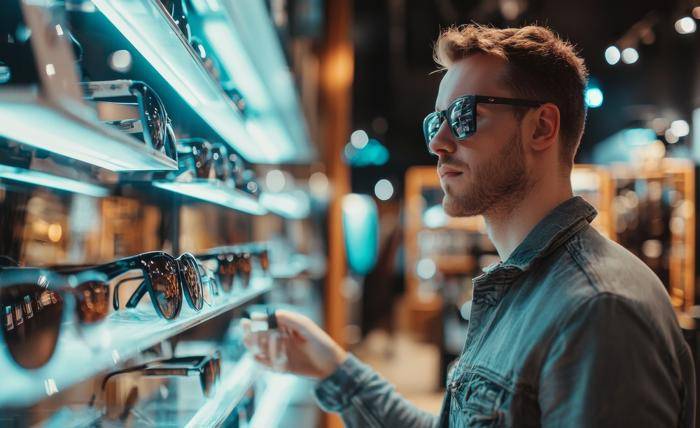
Despite sunglasses being readily available in American stores, most retailers fail to capitalize on their profitability. A display case by the register could be more profitable than entire clothing sections. Store owners who crack the code on eyewear sales often see their profits jump. But what separates the winners from those barely breaking even?
Understanding the Profit Potential
Here’s something that might surprise you: sunglasses beat almost every other retail product when it comes to markups. That ten-dollar pair from your supplier? It sells for thirty, forty, even fifty bucks. Customers are unfazed by these prices. Why? They are purchasing both eye protection and a fashion item simultaneously. Looking good and preventing wrinkles is priceless.
Floor space tells another story. Picture a shoe display eating up half your store. Now think about a spinning rack of sunglasses that fits in a corner. Which one pays the rent faster? The math favors the shades every time. Retailers are always looking for small items that make a lot of profit.
Building the Right Product Mix
Variety sells sunglasses. The guy shopping for fishing gear wants polarized wraparounds. The college student browsing your store needs something trendy but cheap. Soccer moms gravitate toward oversized frames that hide yesterday’s late night with a teething baby.
You need options at every price. Some folks walk in ready to drop serious cash. Others count every dollar. Stock your displays to catch both. Getting quality wholesale sunglasses is a breeze when you work with partners like OE Wholesale Sunglasses. Successfully balancing the mix will result in customers buying more than they originally planned.
Creating an Experience That Sells
Bad lighting kills sunglass sales faster than rain kills a beach day. You need bright, clean light that shows off every detail. Mirrors? Put them everywhere. When buying sunglasses, people always check them from every angle. Spotless displays suggest quality; fingerprints and dust imply low value.
Your staff makes or breaks the sale. The teenager working weekends who tells everyone “those look great” won’t cut it. Train your team to spot face shapes. Teach them which frames flatter round faces versus square jaws. Customers trust knowledge. People are likely to spend more when they are steered clear of bad options.
Marketing Strategies That Work
Thinking only of summer for sunglasses misses out on significant profit. Skiers need eye protection in January. Commuters battle glare in November. Fashion never takes a season off. Push sunglasses all twelve months and watch what happens to your numbers. Social media works magic for eyewear. People love seeing themselves in new looks. Run a “sunglass selfie” contest. Partner with the local 5K race or music festival. Get your products on faces around town. Word spreads when people look good.
Managing Inventory for Maximum Returns
Dead stock kills profits. Those aviators from three summers ago? Mark them down and move them out. Fresh styles draw customers back. They’ll drop in to browse. Ensure the offerings change frequently to create a feeling of urgency: buy soon or lose the chance. Observe what sells out quickly. Maybe your town loves tortoiseshell frames. Perhaps neon colors tank every time. Track these patterns. Order more winners, fewer duds. Simple stuff that too many retailers ignore.
Conclusion
Sunglasses offer retailers a rare combination: high margins in a tiny footprint with year-round demand. The stores crushing it with eyewear don’t treat sunglasses as an afterthought tossed by the register. Get your product mix right, present it well, and train your team properly. Do these things and watch a simple accessory transform your bottom line. Sometimes the biggest opportunities hide behind the smallest products.